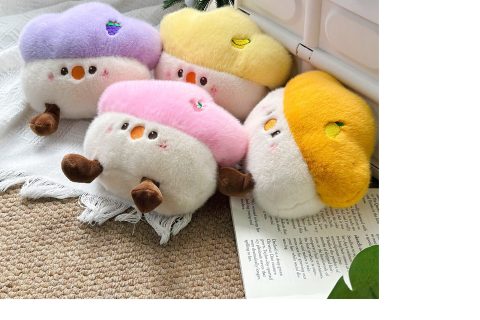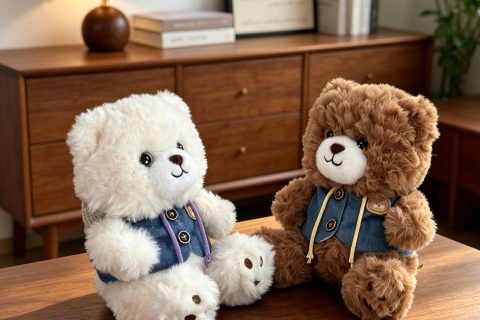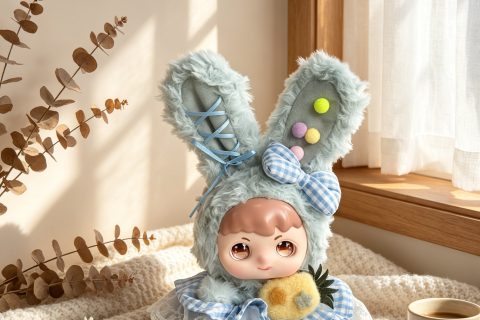

Turning artwork or a reference sample into a production-ready plush toy requires creative interpretation and technical control. The design must become repeatable fabric panels, decoration, filling, labels, and packaging. This guide explains the custom plush toy production process for brands, importers, ecommerce sellers, and authorized IP partners evaluating suppliers.
1. Prepare the Project Requirements
A clear brief allows the manufacturer to assess feasibility and identify missing decisions. Start with front, side, and back artwork when available, a character sheet, an annotated sketch, or clear photos of a physical reference. State the finished size and measurement method, colors, important features, intended function, estimated quantity, target market, user group, packaging preference, and delivery destination.
Also identify whether the item is a standard plush toy, keychain, pendant, bag, seasonal product, or claw machine plush. Market and user information matters because construction, labeling, testing, and documentation needs vary. Character or IP development is limited to designs the buyer owns or is legally authorized to use.
Buyer Brief Checklist
| Information | What to provide | Why it matters |
|---|---|---|
| Artwork or reference | Multi-angle drawings, photos, or a physical sample | Defines shape, proportions, colors, and signature details |
| Product and size | Product type, finished dimensions, and measurement method | Guides patterns, construction, and quotation scope |
| Estimated quantity | Initial order estimate and possible repeat demand | Supports material and production evaluation |
| Target market | Destination country or region and intended user group | Informs testing, labeling, and packaging discussions |
| Materials and feel | Preferred fabric, pile length, softness, or approved reference | Helps align appearance and hand feel |
| Decoration | Embroidery, print, labels, accessories, or hardware | Identifies technical complexity |
| Packaging | Bag, hangtag, barcode, box, or other requirement | Defines pack-out and retail presentation |
| Delivery details | Destination and requested arrival or launch timing | Supports logistics and schedule assessment |
| IP rights | Confirmation of ownership or valid authorization | Establishes eligibility for branded development |
2. Assess Design Feasibility
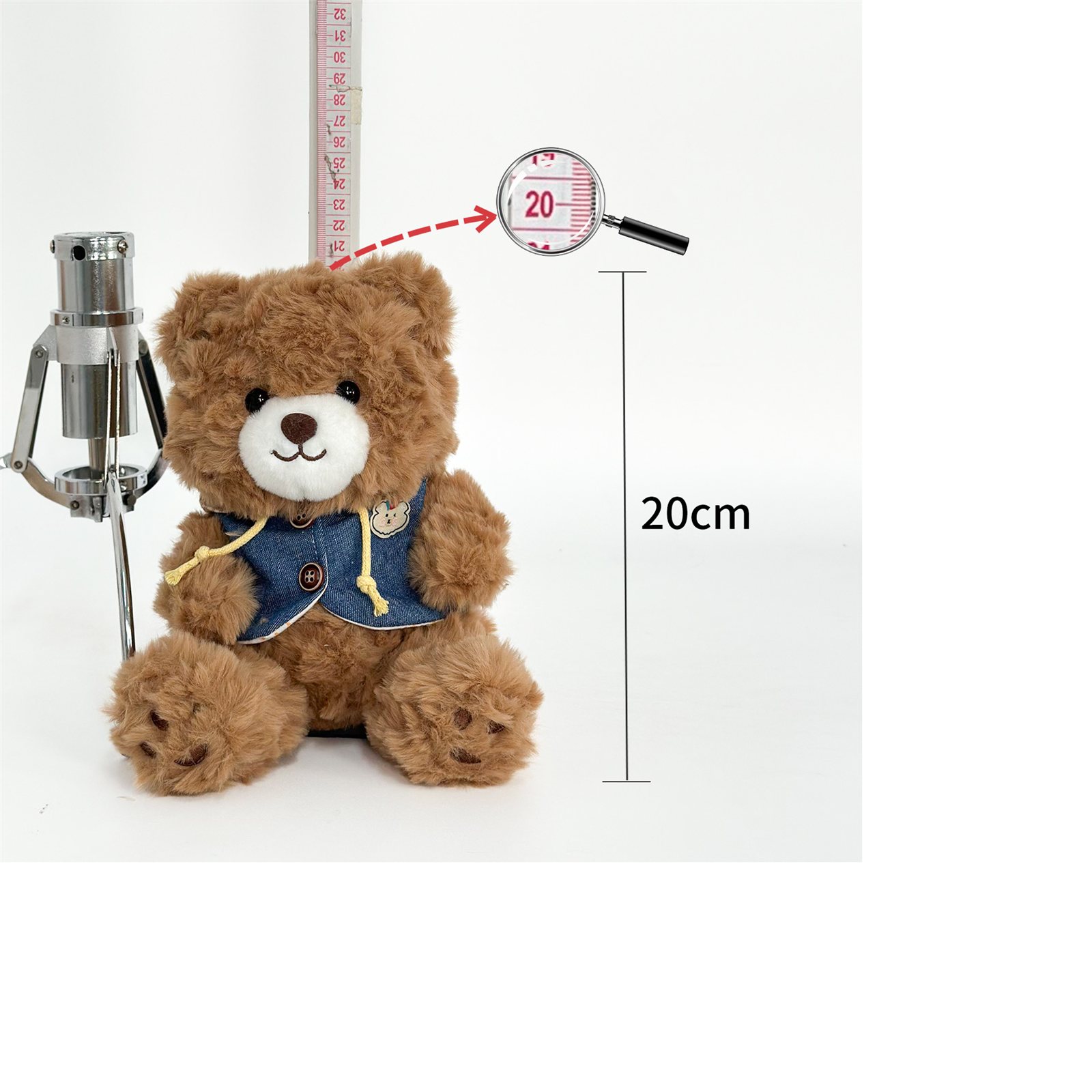
A manufacturer evaluates whether the artwork can become a stable, recognizable, and repeatable soft product. Key points include silhouette, panel structure, feature size, seam placement, balance, decoration, and accessory attachment.
Fine lines, gradients, tiny details, or extreme shapes may require embroidery, simplification, or adjusted proportions. These changes should preserve character identity while enabling consistent sewing.
Intended use affects weight distribution, filling, seams, and hardware. Small or detachable parts require market- and user-specific review.
3. Choose Fabric, Filling, and Decoration
Material choices affect appearance, softness, structure, and repeatability. Shandong Beibao Gifts Co., Ltd. publicly lists plush, short plush, long plush, cotton, organic cotton, polyester, and nylon among its material capabilities. Final selection depends on the design and confirmed project requirements.
Short plush can show clean shapes and embroidery clearly. Long plush creates a furrier look but may hide small features. Buyers should describe the desired feel—such as smooth, fluffy, dense, soft, or structured—and provide an approved swatch or reference when possible.
Filling controls firmness, shape, recovery, and weight. Different areas may require different densities; a head may need more structure than the arms or body. Eyes, mouths, logos, and patterns can be embroidered, printed, appliquéd, or made as separate components, subject to fabric compatibility and intended use. Stitch color, density, size, and placement should be approved, as should zippers, keychain hardware, labels, and other accessories.
4. Develop and Approve the Sample
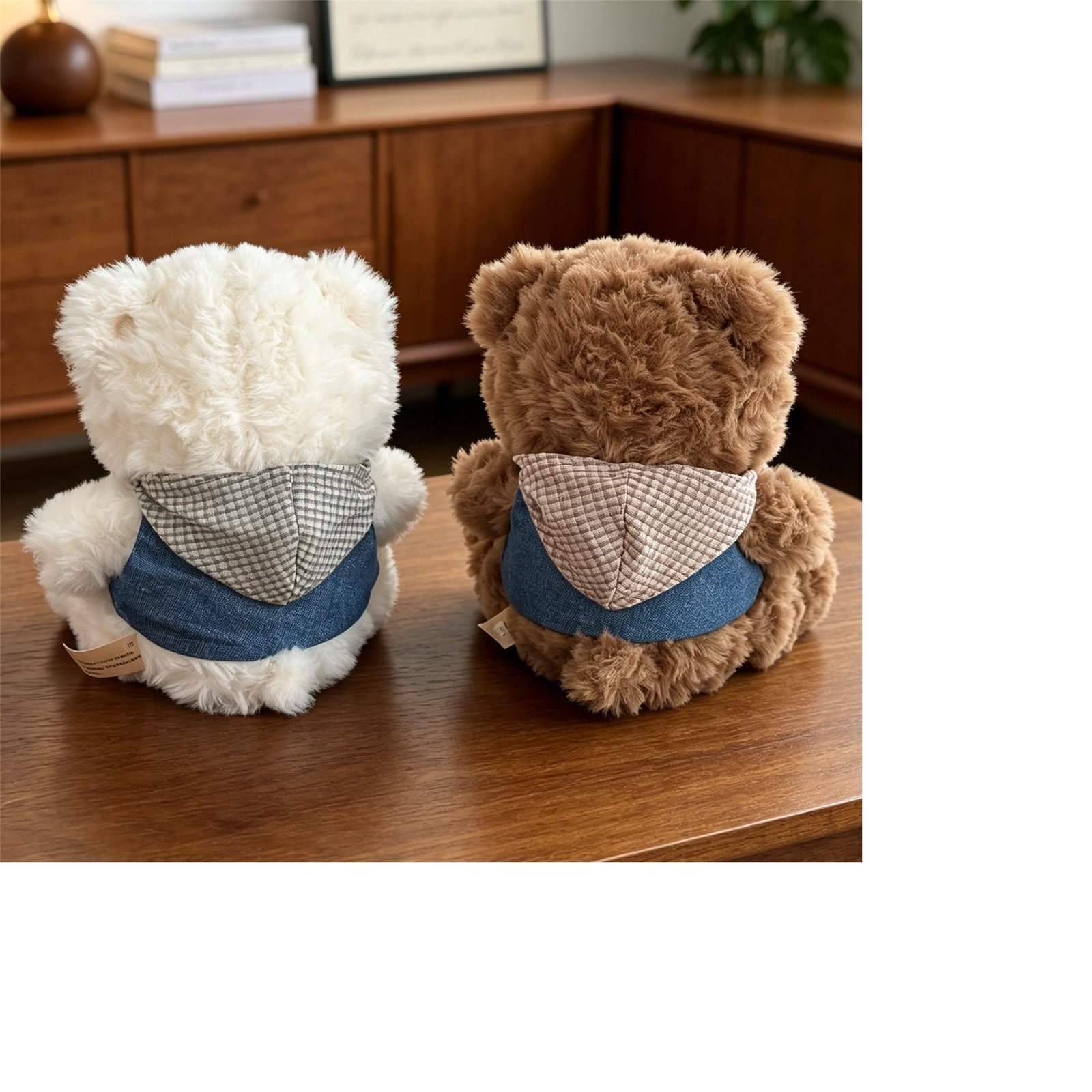
Sampling converts the brief into a physical product. Drawing-based customization translates artwork into patterns and three-dimensional construction. Sample-based customization uses a legally supplied reference to guide measurements, materials, and feel. ODM development adapts an available development direction to confirmed buyer requirements.
Review the sample against objective criteria:
- Overall resemblance, expression, and proportions
- Finished dimensions and measurement method
- Fabric color, texture, pile, and direction
- Embroidery or print shape, color, and alignment
- Seams, symmetry, filling, and weight distribution
- Accessory dimensions, attachment, labels, and function
- Packaging fit and presentation
Consolidate feedback in one annotated document. Measurable instructions are more useful than subjective comments. Record the approved sample version, materials, colors, and accepted details so it becomes a controlled reference for production.
5. Lock the Pre-Production Specifications
Before bulk production, create a specification set covering the approved drawing and pattern version, finished dimensions and tolerances, fabric and color, filling, decoration artwork and placement, components, seams, labels, packaging, carton marks, barcodes, and agreed target-market requirements.
The specification should also identify the approved sample and document changes. Late revisions to size, material, decoration, packaging, or compliance scope can affect feasibility, quotation, and scheduling. All technical and commercial terms therefore remain subject to the product, quantity, destination market, and final order confirmation.
6. Manage Bulk Production
After specifications and order terms are confirmed, production typically includes material preparation, cutting, decoration, sewing, turning, filling, closing, shaping, finishing, and packing. The sequence depends on the product.
Shandong Beibao Gifts Co., Ltd. reports raw material identification and traceability, onsite material inspection, and a QA/QC team. Buyers should confirm how these capabilities will apply to their order, including required records and inspection points. If bulk materials or conditions differ from development, a pre-production confirmation can document approved differences before the main run.
7. Inspect Quality Against Agreed Criteria
Quality inspection should compare goods with the specification and approved sample. A project-specific plan may check dimensions, appearance, fabric, seams, decoration, filling distribution, component attachment, function, labels, packaging, quantity, assortment, and carton marks. The inspection method and acceptance criteria should be agreed for each order.
Testing and certification depend on product classification, intended user group, and destination market. Do not assume every product carries CE, CPC, or another certification. Applicable standards, test plans, documentation, and responsibilities must be confirmed for the specific product and market.
8. Prepare Packaging and Shipment
Packaging should protect the product and support retail, ecommerce, or warehouse handling. Options include bags, hangtags, barcode labels, display boxes, and master cartons. Confirm target-market restrictions and labeling rules.
Before release, verify pack quantity, carton dimensions and weight, assortment, marks, barcodes, documents, inspection status, destination, and shipping terms. Because compression can affect presentation or recovery, balance freight efficiency with arrival condition.
Request an Initial Project Assessment
Shandong Beibao Gifts Co., Ltd. is a custom manufacturer in Shandong, China, established in 2020. It supports minor customization, drawing-based customization, sample-based customization, and ODM. Product categories include plush toys, claw machine plush toys, plush keychains and pendants, plush bags and handbags, Christmas and seasonal items, customized products, and IP series.
To request an initial assessment and quotation, submit:
- Artwork or a reference sample
- Required finished size
- Estimated order quantity
- Target market
- Delivery destination
Include preferred materials, packaging needs, and target timing if known. The team can review manufacturability, clarify open points, and discuss project-specific terms. IP projects require original ownership or valid authorization.
Submit Your Custom Plush Project
Frequently Asked Questions
1. What should I send to start a custom plush toy project?
Send multi-angle artwork or reference photos, required finished size, estimated quantity, target market, delivery destination, important features, and packaging needs. Include color or material references when available and confirm ownership or legal authorization for any protected design.
2. Can a plush toy be made from a drawing?
Yes. Drawing-based customization converts two-dimensional artwork into fabric patterns, decoration, filling, and construction details. Some features may need adjustment so the finished toy remains recognizable, practical to sew, and suitable for its intended use.
3. Can a physical sample be used as the reference?
Yes. Sample-based customization can use a legally supplied reference to define dimensions, construction, materials, and feel. A new sample should still be developed and approved, and the buyer must hold any rights required to reproduce the design.
4. Which materials are available for custom plush products?
Publicly listed options include plush, short plush, long plush, cotton, organic cotton, polyester, and nylon. The suitable material depends on appearance, feel, structure, decoration, availability, intended use, and confirmed market requirements.
5. How is a sample approved before production?
Compare it with documented requirements for dimensions, proportions, expression, color, fabric, decoration, seams, filling, accessories, labels, function, and packaging. Consolidate revisions, then record the accepted sample version and final specification.
6. Do all custom plush toys have CE, CPC, or other certifications?
No. Testing and certification requirements vary by product, user group, and destination market. The applicable standards, test scope, reports, and responsibilities must be confirmed for each project; certification should not be assumed without product-specific evidence.
Recommended Internal Links
These are suggested relative URLs and should be created, validated, or mapped before publication:
- Custom Plush Toys — Suggested customization service overview
- Quality Control — Suggested material and inspection information
- Contact Beibaotoys — Suggested project inquiry page
- Plush Keychains — Suggested small-format product page
- Plush Bags — Suggested functional plush product page