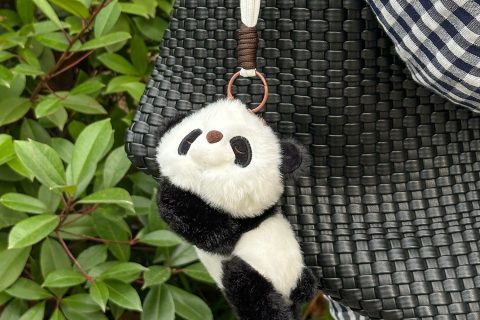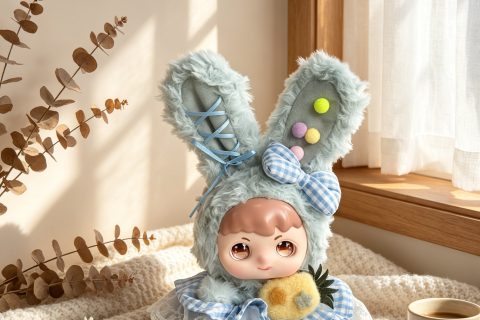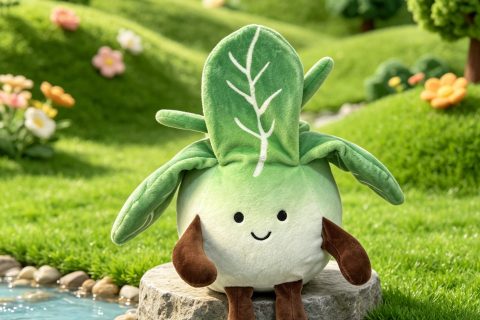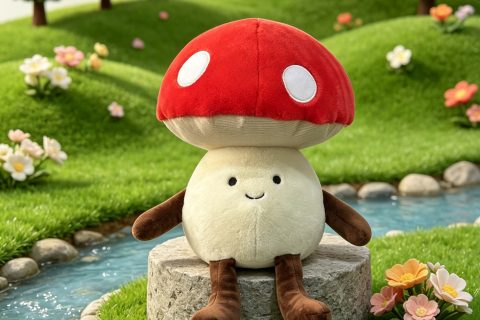

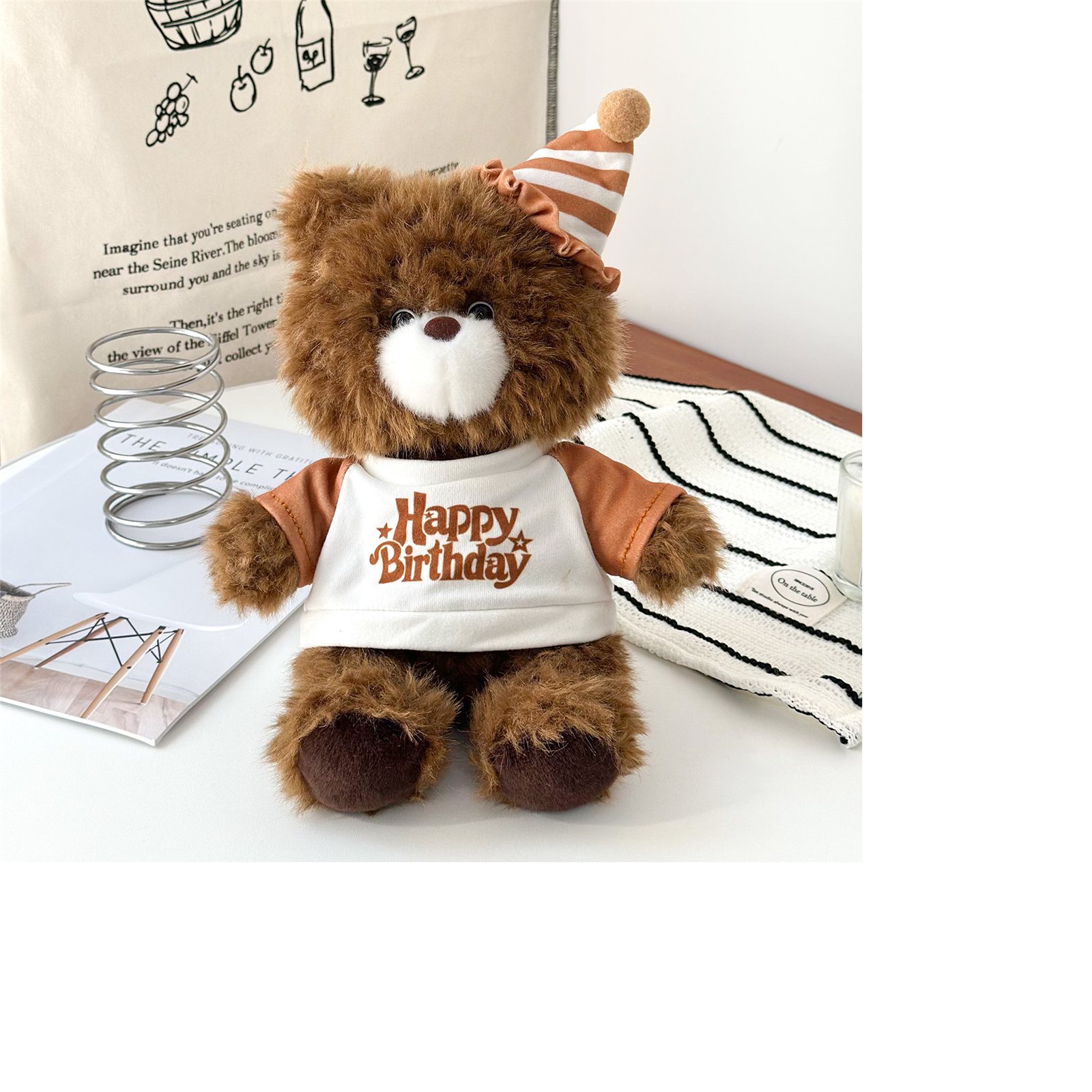
A themed plush collection is more than a row of cute products. For an importer, retailer, gift company, or brand owner, it is a system: every character should be recognizable on its own while clearly belonging to the same family. That balance matters whether the concept centers on woodland animals, an ocean world, cheerful plants, vegetable and food characters, classic bears and rabbits, or a Christmas gifting story.
Public plush categories often use familiar directions such as sunflower, avocado, vegetable, ocean, animal, and Christmas concepts. These are useful creative territories—not evidence that a particular SKU is continuously available or commercially successful. Buyers should treat them as starting points, then develop an original range around their audience, channel, price architecture, and intellectual-property position.
Beibaotoys supports plush development across public product categories, customization, and quality-focused production workflows. The practical framework below helps buyers prepare a clearer brief and make faster, more consistent collection decisions.
1. Start with a Collection Promise
Before sketching characters, write one sentence that defines what the collection should make the customer feel. “Friendly garden companions for cheerful desk gifting” is more actionable than “plant plush.” “A calm ocean nursery family in soft coastal colors” is more focused than “sea animals.”
The promise should identify:
- Audience: children, teens, adult collectors, corporate gift recipients, or broad family shoppers
- Use occasion: everyday play, room décor, impulse gifting, seasonal promotion, or event merchandise
- Emotional tone: comforting, humorous, energetic, premium, nostalgic, or educational
- Channel: specialty retail, mass retail, e-commerce, gift programs, or promotional distribution
- Design boundary: realistic, stylized, kawaii-inspired, graphic, or character-led
A clear promise prevents unrelated ideas from entering the range simply because they look attractive in isolation.
2. Choose Theme Families That Can Share One Visual Language
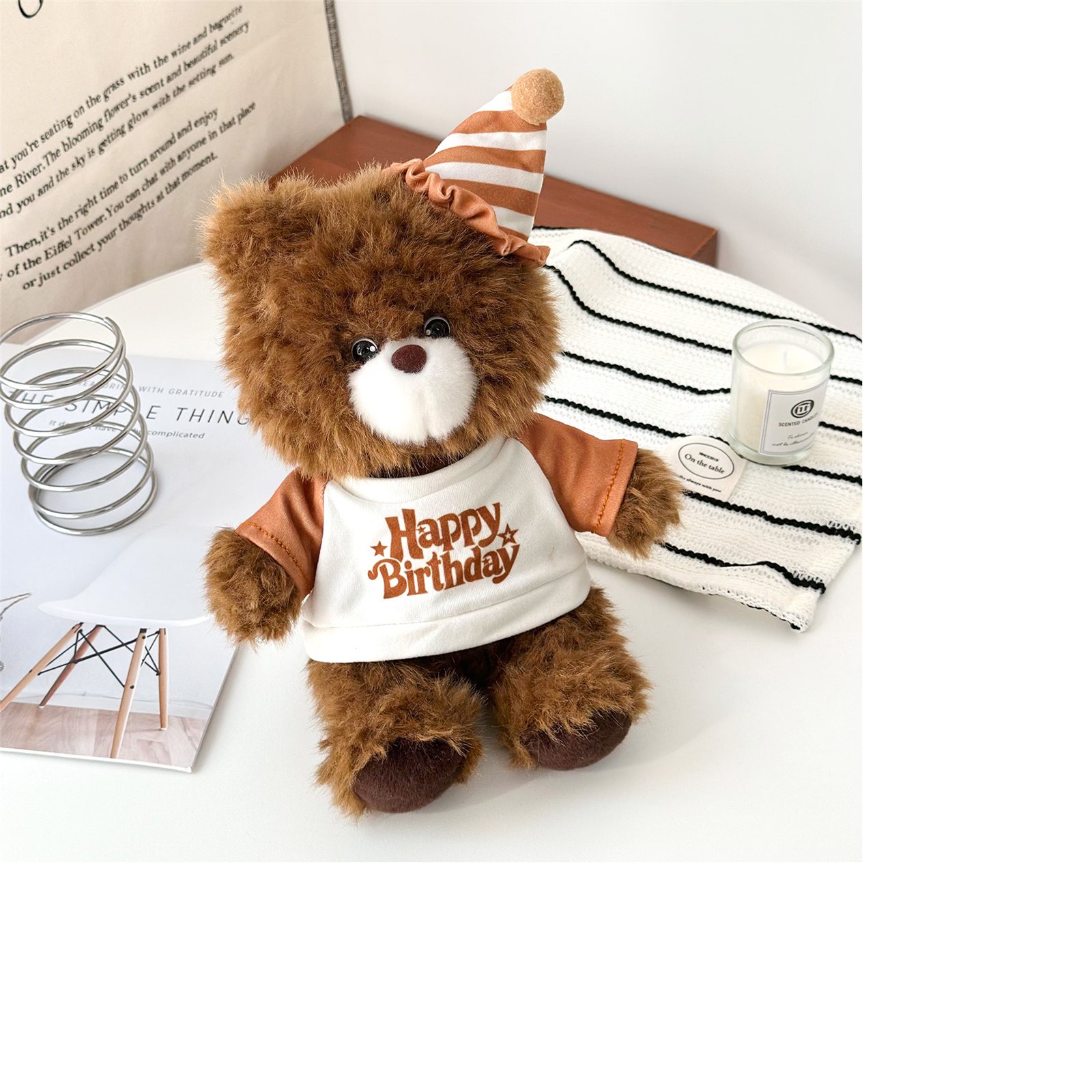
Different subjects can coexist when they use consistent design rules. An animal, an avocado, and a sunflower may have very different silhouettes, yet still feel related through face placement, eye style, limb proportion, fabric texture, embroidery technique, and color intensity.
Useful theme directions include:
| Theme family | Possible character directions | Collection-building opportunity | Watchpoint |
|---|---|---|---|
| Animals | forest, farm, safari, fantasy | Easy personality differentiation | Avoid mixing realistic and highly stylized anatomy without a reason |
| Ocean | whale, octopus, turtle, ray, shell | Strong shared habitat and palette | Test whether fins and tentacles hold their intended shape |
| Plants | sunflower, cactus, leaf, potted sprout | Suitable for décor and cheerful gifting | Define how pots, stems, and petals remain stable |
| Fruit, vegetables, and food | avocado, carrot, mushroom, pastry, drink | Clear color and humor opportunities | Keep facial features visible on varied forms |
| Classic pets and companions | bear, rabbit, dog, cat | Familiar anchors for broad assortments | Create distinct personalities rather than generic duplicates |
| Seasonal and gifting | Christmas, spring, birthday, thank-you | Builds occasion-based stories | Avoid dependence on date-specific elements across every SKU |
The goal is not to use every theme in one launch. It is to define a design grammar flexible enough to extend later.
3. Build a Character Matrix Before Final Artwork
A character matrix turns ideas into an assortment. Define each character’s role, personality, shape, colors, signature detail, target size, and channel use. An ocean family might pair a comforting round whale, an energetic octopus, and a small entry-level shell. A garden-food crossover could feature an optimistic sunflower, relaxed avocado, and active carrot. If two characters occupy the same visual and commercial role, one may be unnecessary.
A practical matrix can assign five roles: hero, familiar anchor, visual contrast, entry item, and story extender. Not every launch needs all five, but assigning roles makes range decisions easier.
4. Define the Shared Series Language
Create a one-page style sheet that applies to every character. It should show the approved eye and mouth construction, blush treatment if used, seam language, limb style, label position, and rules for appliqué or embroidery.
Select a compact core palette with controlled accents. A vegetable series might connect varied characters through green; an ocean collection could combine muted blue and aqua with coral. Christmas cues can come from selected red, green, cream, or metallic-look embroidery without making every character identical. Approve physical swatches or agreed references where possible because screens, pile direction, fabric, embroidery, and lighting affect appearance.
5. Create a Deliberate Size Hierarchy
Size should serve merchandising and character expression, not merely scale artwork. Small items may need simplified details; large versions may require structural and filling changes. Use small sizes for entry purchases or gift add-ons, medium for core storytelling, and large for display or room décor. Not every character needs every size: the hero may span levels while supporting characters stay at one scale.
6. Separate Core SKUs from Extensions
Core SKUs should communicate the complete concept with the fewest products. Extensions can deepen the story after the visual system is proven.
For a plant-and-food range, the core might include sunflower, avocado, carrot, and mushroom characters. Extensions could introduce alternate expressions, holiday accessories, mini companions, or new vegetables. For a classic companion line, the core might be bear, rabbit, dog, and cat, with seasonal colors or gifting messages reserved for extensions.
This approach supports clearer forecasting and sample review. It also reduces the risk of approving many marginal designs before the strongest ones are resolved.
Core assortment review checklist
- Does each SKU have a distinct silhouette at shelf distance?
- Is the collection identity visible without packaging?
- Are facial proportions consistent?
- Does each color add variety without breaking the palette?
- Are detail levels appropriate for the intended size?
- Can the assortment be explained in one short buyer presentation?
- Are seasonal extensions visually compatible with evergreen items?
7. Adapt the Collection to the Sales Channel
A single creative system may need different executions by channel.
Retail shelves benefit from strong face visibility, stable presentation, readable hangtags, and a balanced color block. E-commerce needs clear photography angles, dimensions, material descriptions, and packaging that protects the item while limiting unnecessary parcel volume. Gift programs may prioritize custom message cards, coordinated packaging, brand colors, or a tightly edited character selection. Promotional campaigns often require a direct link between the plush, event theme, and brand identity.
Channel adaptation should not create an entirely different collection. Preserve the face, palette, and character logic, then adjust packaging, size selection, labeling, or assortment ratios as needed.
8. Approve Samples as a Series, Not Only One by One
Individual samples can look acceptable yet fail as a group. Review the complete sample set together under consistent lighting and from several distances. Compare head-to-body ratios, face heights, eye spacing, filling firmness, sitting stability, label placement, fabric direction, embroidery edges, and color relationships.
Use a controlled approval process:
- Confirm technical drawings and intended dimensions.
- Review material and color references.
- Evaluate the first physical sample for construction and expression.
- Record comments with annotated photos and measurable changes.
- Review revised samples beside previously approved characters.
- Confirm the final reference and packaging interaction before production authorization.
Keep a dated approval record. Terms such as “slightly cuter” or “more premium” are difficult to reproduce; instructions such as “move eyes 4 mm closer” or “reduce cheek embroidery width” are easier to evaluate. Beibaotoys’ customization and quality capabilities can support this process, but the buyer’s precise approvals remain essential.
9. Decide Early: Original IP, Licensed IP, or Buyer-Owned Artwork
For original collections, document ownership, artwork versions, names, and distinctive elements, and consider appropriate searches or advice. For licensed properties, buyers should hold valid authorization and follow the licensor’s style guide, approval stages, territory, category, and term restrictions. Clarify ownership and manufacturing rights for buyer-supplied files. Familiar subjects are broad concepts, but distinctive characters, logos, costumes, and artwork may be protected; develop an ownable expression rather than copying a recognizable property.
10. Prepare a Brief That a Manufacturer Can Act On
A strong development package includes objectives, audience, channel, sizes, character matrix, artwork views, color references, material preferences, facial details, labels, packaging, test destination, and approval responsibilities. Separate mandatory elements from optional ideas and identify open technical decisions. Early discussion can preserve the concept while improving manufacturability.
Frequently Asked Questions
1. How many characters should a first themed plush collection include?
There is no universal number. Start with enough characters to express the story and create visual variety without overloading development. A focused core range with clearly different roles is usually easier to review than a large set of similar designs.
2. Can animals, plants, and food characters belong in one collection?
Yes, if they share a consistent visual language. Face construction, proportions, palette, fabric family, and personality system can connect subjects that would otherwise seem unrelated.
3. Should every character be offered in the same sizes?
Not necessarily. Assign sizes according to character role, channel, construction, and merchandising needs. Scaling can change proportions and may require separate technical review.
4. How should seasonal characters fit an evergreen range?
Use the evergreen design grammar, then add controlled seasonal colors, accessories, graphics, or packaging. This makes the seasonal drop feel special without losing collection recognition.
5. What should buyers approve on a collection sample set?
Review each item and the group: silhouette, expression, dimensions, materials, colors, embroidery, filling, stability, labels, packaging fit, and consistency with approved artwork.
6. Can a manufacturer reproduce any character image supplied by a buyer?
Commercial use depends on rights and authorization. Buyers should confirm ownership or licensing and provide the relevant approved materials. A public image is not automatically free to reproduce.
7. Do public product categories mean a design is always available?
No. Category and concept references show creative or manufacturing directions. Current product status, customization feasibility, specifications, and commercial terms should be confirmed for each inquiry.
Recommended Internal Links
These are suggested relative paths. Confirm or create the destination pages before publication.
- Custom Plush Toy Manufacturing
- Plush Toy Categories
- Plush Toy Quality Control Guide
- How to Prepare a Custom Plush Design Brief
- Plush Toy Packaging and Shipping Preparation
Build a Collection with a Clear Development Plan
Have a theme, character sketch, or range idea? Share your intended audience, market, channel, sizes, artwork, and packaging needs with Beibaotoys. Our team can review the concept, discuss customization options, and help organize the next development steps around your approved requirements.
Contact Beibaotoys to discuss your themed plush collection brief.