

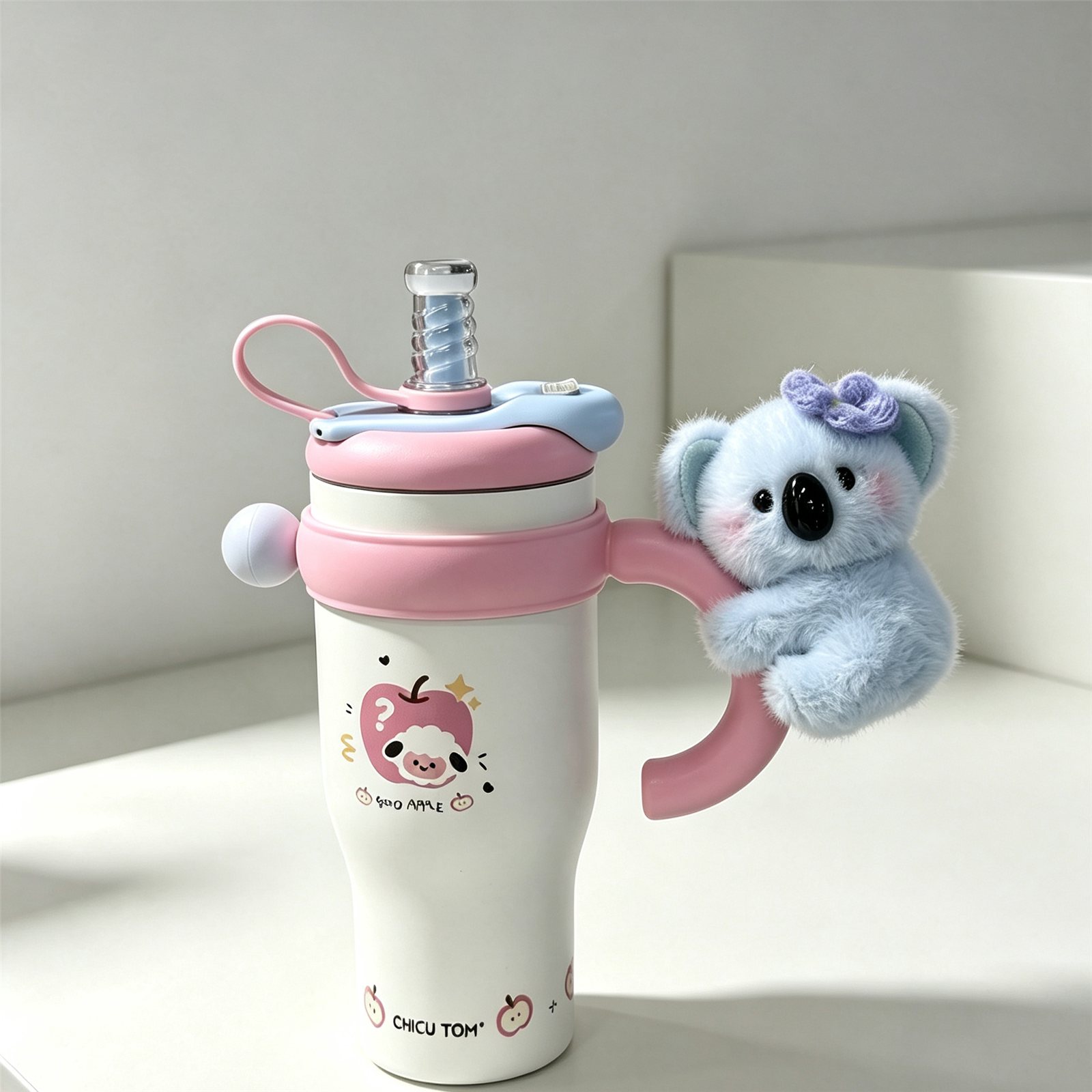
Plush shipping preparation begins before cartons are sealed. Shape, fabric, filling, accessories, channel, destination rules, and unboxing expectations influence packing. A method for a compact character may not suit a large plush with long ears, rigid components, or delicate details.
The goal is to protect the approved product, maintain identification, support handling, and deliver the expected presentation. Beibaotoys can support customized plush products, packaging coordination, and quality-focused preparation based on agreed specifications. Confirm final packaging, labeling, testing, and shipping requirements for each product and destination.
1. Define the Distribution Scenario First
Map the product’s route, including consolidation, repacking, inspection, and labeling. Different scenarios create different priorities:
- Retail: shelf appearance, hangtag visibility, scannable barcodes, clean unit packaging, and efficient replenishment
- E-commerce: parcel efficiency, product protection, clear item identification, and a good unboxing condition
- Gift programs: presentation, message cards, brand consistency, and delivery to an event or multiple destinations
- Wholesale or distribution: carton strength, assortment accuracy, carton marks, count verification, and warehouse handling
Packaging should support the route rather than create unnecessary handling.
2. Confirm the Individual Packaging Method
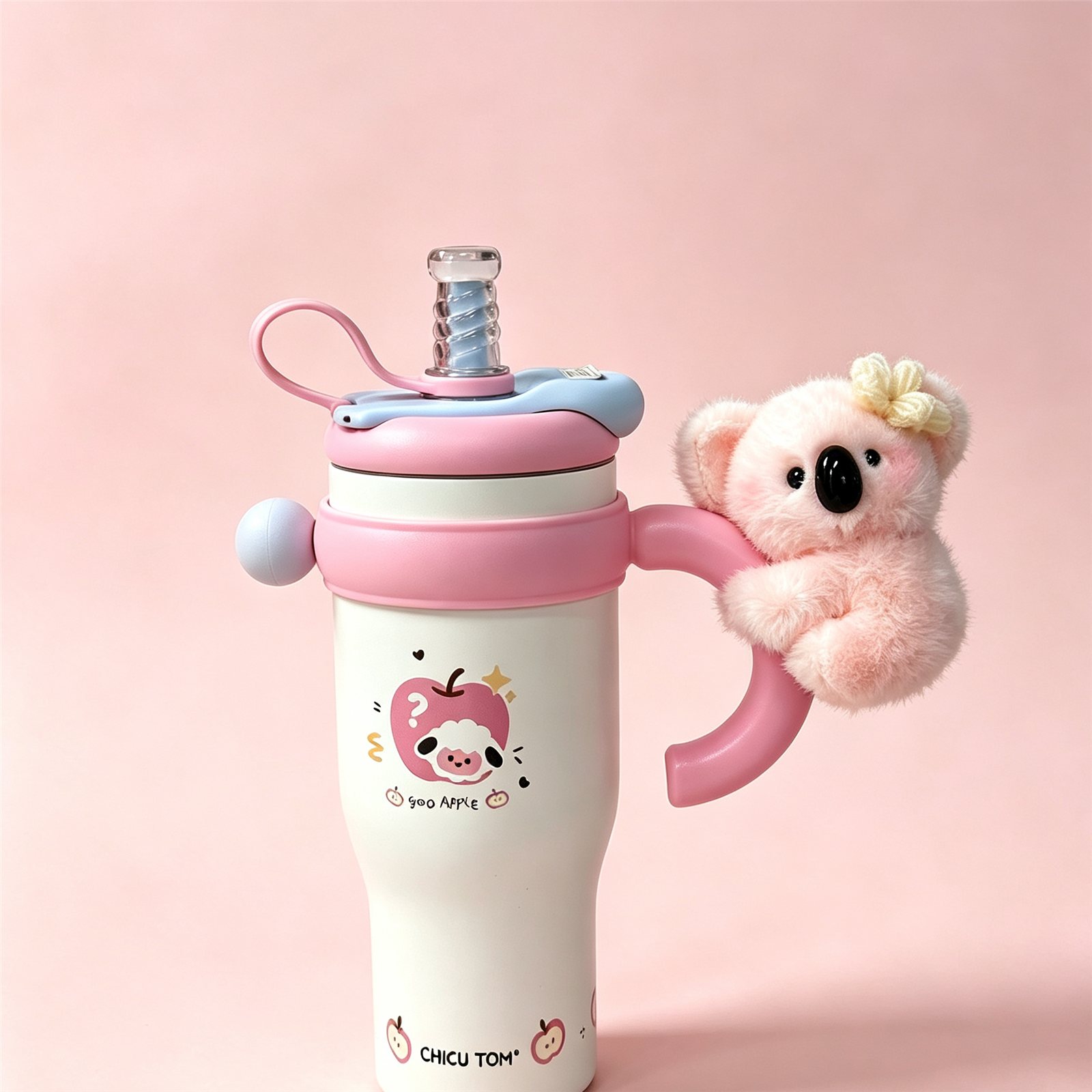
Unit-level options include clear or printed bags, boxes, display-ready packs, and gift packaging. Choose according to dimensions, positioning, destination expectations, and applicable requirements. Bags should protect surfaces without crushing features or leaving excessive loose material. Openings, closures, ventilation, warnings, and materials require destination- and age-appropriate review. For boxes, verify fit, window alignment, fastening, and product movement; ties or edges should not pull against fabric, embroidery, or accessories.
Individual pack checklist
- Packaging type, material, dimensions, orientation, and closure approved
- Required warnings, disposal text, and air features reviewed for the destination
- Gift cards, inserts, artwork, and print colors signed off
- Product can be removed without unintended damage
3. Control Hangtags, Sew-In Labels, and Barcodes
Tags and labels carry product, brand, care, traceability, and sales information. Buyers should provide final artwork, approved wording, code files, and placement instructions. A small error—such as an old barcode, the wrong language, or a tag attached through a visible fabric area—can create costly rework.
Create a label matrix by SKU covering item number, product name, barcode, language, tag versions, attachment location, and channel labels. Treat customer-specific barcodes as separate configurations. Check scannability on the final printed substrate: contrast, quiet zones, size, curvature, gloss, folds, and placement can affect results. Request retailer or warehouse rules early.
4. Specify Mixed Styles and Assortment Ratios
Mixed cartons require an explicit ratio. State the exact quantity of each SKU, color, and size rather than “assorted colors.” Use stable item codes and a visual map when characters look similar. Whether equal or weighted, the ratio should appear in the packing specification and purchase documentation.
Check these points:
- Is the carton single-SKU or mixed-SKU?
- What is the exact quantity per style, color, and size?
- Are inner packs required?
- Does each inner pack need its own barcode or label?
- How should substitutions or short packs be handled?
- Is a master assortment code required in addition to unit item codes?
Verify assortments during packing and record the agreed inspection method.
5. Engineer the Outer Carton Around the Product
The outer carton must protect contents through stacking, handling, storage, and transport. Base its dimensions, board, closure, weight, and internal arrangement on the packed product. Limit empty space without packing so tightly that features or gift boxes distort. Add dividers, inner cartons, liners, or sheets where required.
A carton trial should evaluate:
| Check area | What to confirm | Evidence to retain |
|---|---|---|
| Fit | Correct count without damaging pressure | Packed-carton photos |
| Orientation | Products face or lie in the approved direction | Packing diagram |
| Closure | Flaps and tape close securely | Sealed-carton image |
| Dimensions | External length, width, and height measured consistently | Packing data sheet |
| Weight | Net and gross weights recorded with units | Scale photo or inspection record |
| Marks | Item, quantity, carton number, and destination data match | All-side carton photos |
| Handling | Carton remains suitable for agreed handling conditions | Trial or inspection record, if specified |
Any carton testing or performance requirement should be agreed for the actual distribution conditions.
6. Treat Compression as a Product-Specific Option
Compression or vacuum-style packing can reduce volume for some plush products, but it is not suitable for every construction. Long-pile fabrics, structured shapes, foam components, sound modules, rigid accessories, delicate embroidery, printed surfaces, gift boxes, and certain filling distributions may respond differently.
Approve compression only after a controlled trial using representative materials and the intended level and duration. Allow recovery under defined conditions, then review dimensions, symmetry, filling, pile, face shape, seams, accessories, and odor. Record the interval rather than assuming immediate restoration.
Compression and recovery trial
- Photograph and measure the sample before packing.
- Apply the proposed bag and compression method.
- Record packed dimensions and condition.
- Store for the agreed trial period and orientation.
- Open the pack using a defined procedure.
- Allow recovery for agreed checkpoints.
- Reshape only as the end customer reasonably could.
- Compare measurements and appearance with the approved sample.
- Check whether instructions are needed for the recipient.
- Approve, revise, or reject the method by product.
A successful result for one design does not validate compression across an entire collection.
7. Record Dimensions and Weights Consistently
Packing data supports warehousing, freight planning, listings, and receiving. Define measurement methods because soft-product dimensions vary with the position of ears, limbs, and body.
The packing data sheet should distinguish:
- Product dimensions in the agreed natural position
- Individually packed dimensions
- Inner-pack dimensions and quantity, if used
- Master-carton external dimensions
- Units per carton
- Product or unit net weight, where required
- Carton net weight and gross weight
- Measurement units and rounding method
Use verified final packing rather than early estimates for shipping documents. Small differences can accumulate across many cartons.
8. Apply Destination and Carton Labels Correctly
Carton marks should match purchase, shipping, warehouse, and customer instructions. A typical mark may include consignee or customer identifier, item number, product description, quantity, carton sequence, country-of-origin statement where required, dimensions, weights, handling symbols, and destination details.
Requirements vary by order. Follow retailer templates, sizes, placement maps, serial labels, and multi-side rules where supplied. Confirm printed versus applied marks and remove obsolete labels. Legal marking, language, origin, recycling, warning, and importer requirements depend on destination and sales context; obtain appropriate guidance rather than relying on a generic template.
9. Match Packaging to Retail, E-Commerce, and Gifting
Retail packaging should suit the intended display. Confirm whether the plush will sit, hang, use a tray, or remain boxed, with tags visible but clear of the face.
E-commerce packaging should withstand parcel handling. Confirm whether a warehouse ships the unit pack directly or adds a mailer or box, and explain reasonable reshaping after unpacking.
Gift packaging emphasizes presentation. Test tissue, ribbons, sleeves, boxes, cards, and inserts for transfer, abrasion, movement, and fit. Protect gift-box corners and surfaces inside the master carton.
One SKU may require more than one packaging configuration. Control each version with its own specification and artwork approval.
10. Prepare the Packing and Shipping Document Set
A clean document set reduces ambiguity between the buyer, manufacturer, inspector, forwarder, warehouse, and customer. It may include the approved packing specification; SKU matrix; label artwork; barcode record; packing photos; final carton data; packing list; relevant commercial shipping documents; required inspection or compliance records; and discrepancy contacts. Control revisions and clearly mark superseded versions.
11. Complete a Pre-Shipment Confirmation
Before release, confirm that product approval and packing approval refer to the same final configuration. A last review should reconcile quantities, assortment ratios, labels, carton marks, measurements, weights, documents, and shipment instructions.
Buyer’s pre-shipment checklist
- [ ] Final product reference and packaging version match
- [ ] Unit counts by SKU, color, and size are confirmed
- [ ] Mixed-carton ratios match the approved matrix
- [ ] Hangtags, sew-in labels, and barcodes use final files
- [ ] Unit packaging is clean, correctly oriented, and sealed as specified
- [ ] Compression method, if used, passed the product-specific trial
- [ ] Carton count, dimensions, net weight, and gross weight are recorded
- [ ] Carton marks and destination labels match instructions
- [ ] Packing list reconciles with packed quantities
- [ ] Required inspection or document review is completed
- [ ] Forwarder, warehouse, or customer routing instructions are current
- [ ] Exceptions are documented and approved by the responsible party
Do not treat this checklist as a replacement for destination regulations, retailer manuals, contractual requirements, or professional compliance advice.
Frequently Asked Questions
1. Should every plush toy be packed in an individual bag?
Not automatically. The decision depends on protection needs, sales channel, destination requirements, presentation, and the buyer’s sustainability objectives. Confirm the method for each product and route.
2. Is compression packing always the best way to reduce shipping volume?
No. Compression can affect shape, pile, components, decoration, or recovery. It should be tested and approved for the specific product, materials, duration, and packing method.
3. What information should appear on an outer carton?
Requirements vary, but may include customer or consignee details, item number, quantity, carton sequence, dimensions, weights, destination, origin marking, and handling symbols. Follow the order and receiving instructions.
4. How should mixed styles be documented?
Use an exact SKU-level ratio for every carton or inner pack. Include item codes, quantities, barcode information, and a visual map when designs are similar.
5. When should carton dimensions and weights be finalized?
Confirm them after the final product and actual packing configuration are available. Early values may be estimates and should not replace verified shipment data.
6. Who provides barcode and destination label requirements?
The buyer, retailer, warehouse, marketplace, or logistics partner typically provides the applicable format and data. The responsible parties should verify final printed labels before shipment.
7. Can one packaging format serve retail, e-commerce, and gifting?
Sometimes, but the channels have different priorities. Review display, parcel handling, unboxing, branding, and receiving needs before standardizing one format.
Recommended Internal Links
These are suggested relative paths. Confirm or create the destination pages before publication.
- Custom Plush Toy Manufacturing
- Plush Toy Quality Control Guide
- How to Develop a Themed Plush Collection
- Preparing Artwork for Custom Plush Toys
- Contact Beibaotoys
Prepare Your Plush Order for the Next Shipping Stage
Send Beibaotoys your product specifications, packing configuration, SKU ratio, label files, destination requirements, and receiving instructions. Our team can review the requested setup and coordinate packaging details around the approved plush design and order documentation.
Contact Beibaotoys to review your plush packaging checklist.

