
How to Build a Wholesale Plush Toy Assortment for Retail and Distribution
A strong wholesale plush toy assortment is not simply a long list of appealing characters. It is a structured offer in which every SKU has a job: attract attention, cover an accessible price point, support gifting, add variety, or create a seasonal reason to buy. The right structure depends on the channel, the customer, the display space, and the buyer’s tolerance for inventory risk.
Start with the Channel, Not the Character
The same plush item can perform differently across channels because presentation and buying behavior change.
- Gift shops need distinctive, giftable pieces across useful sizes.
- Toy stores may benefit from animal families, collectible groups, and documented age grading.
- Supermarkets and variety chains need readable products and efficient displays.
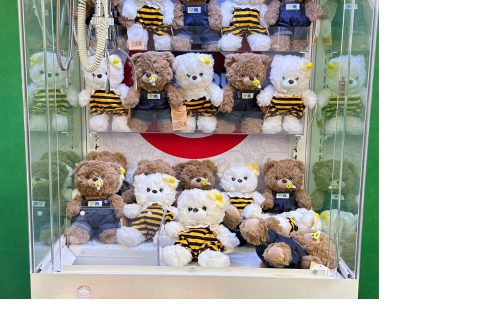
- Claw machine channels prioritize visual impact, machine fit, and consistent dimensions.
- Ecommerce requires clear photography, efficient shipping, and packing recovery.
- Distributors need an offer that is easy to explain and reorder.
Write one channel sentence before choosing SKUs. It becomes a filter for later decisions.
Give Every Price Point a Role
Price planning should begin with retail positioning rather than an assumed factory price. Work backward from the intended shelf architecture while allowing for freight, duty, testing, packaging, handling, channel margin, promotions, and currency risk. The commercial inputs vary by destination and order, so validate them with current quotations and your own landed-cost model.
A practical range can use four roles:
| Role | Buyer purpose | Typical product direction | Planning question |
|---|---|---|---|
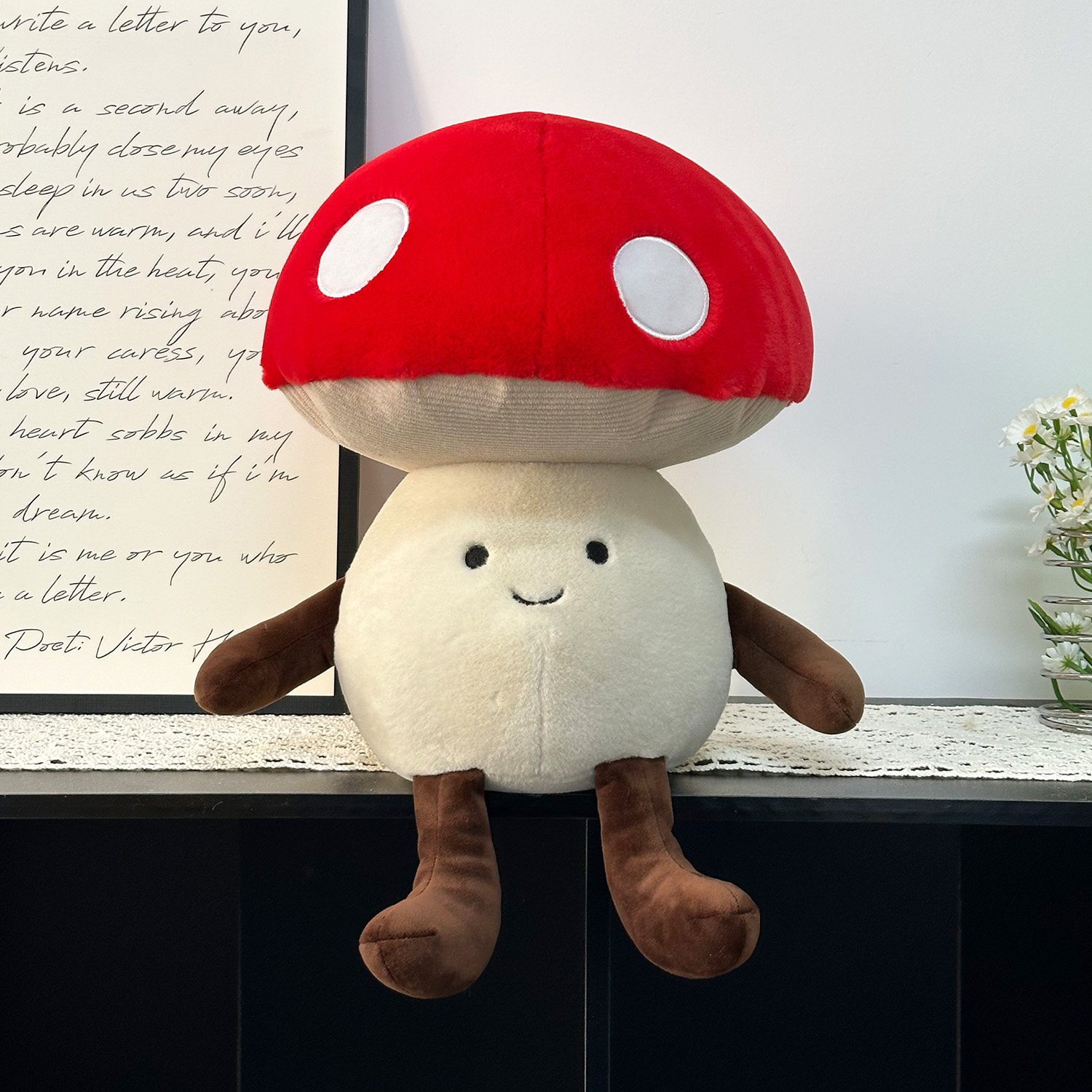
| Entry | Low-commitment add-on or impulse purchase | Keychain, pendant, or compact plush | Is the value obvious at first glance? |
| Core | Main volume and everyday gifting | Small-to-medium animal or food design | Can several designs share a clear family look? |
| Step-up | More detail, size, or gift presence | Larger plush, set, bag, or enhanced finish | Is the difference from core easy to explain? |
| Anchor | Display statement or premium gift | Large format or highly detailed design | Does it earn its shelf and storage space? |
These are roles, not promises about sales or margin. The number of tiers should reflect the channel. A small ecommerce launch may use two tiers; a chain planogram may require three or four.
Build a Size Ladder That Works Operationally
Size creates visible choice, but it also affects carton utilization, shelf capacity, freight, and storage. Avoid adding sizes only to make the range look complete. Each one should serve a display or price role.
Start with a compact size for entry purchase, a core size that represents the collection, and an optional larger size for visual impact. Record measurements using an agreed method, because seated height, standing height, and longest dimension can produce different numbers. For claw machine programs, confirm machine opening, prize chute, claw behavior, and compressed versus recovered dimensions with physical samples.
For ecommerce, examine dimensional weight, polybag or carton format, and how the product looks immediately after unpacking. A product that compresses efficiently may still require a defined recovery method and customer-facing care guidance.
Organize Themes into Repeatable Families
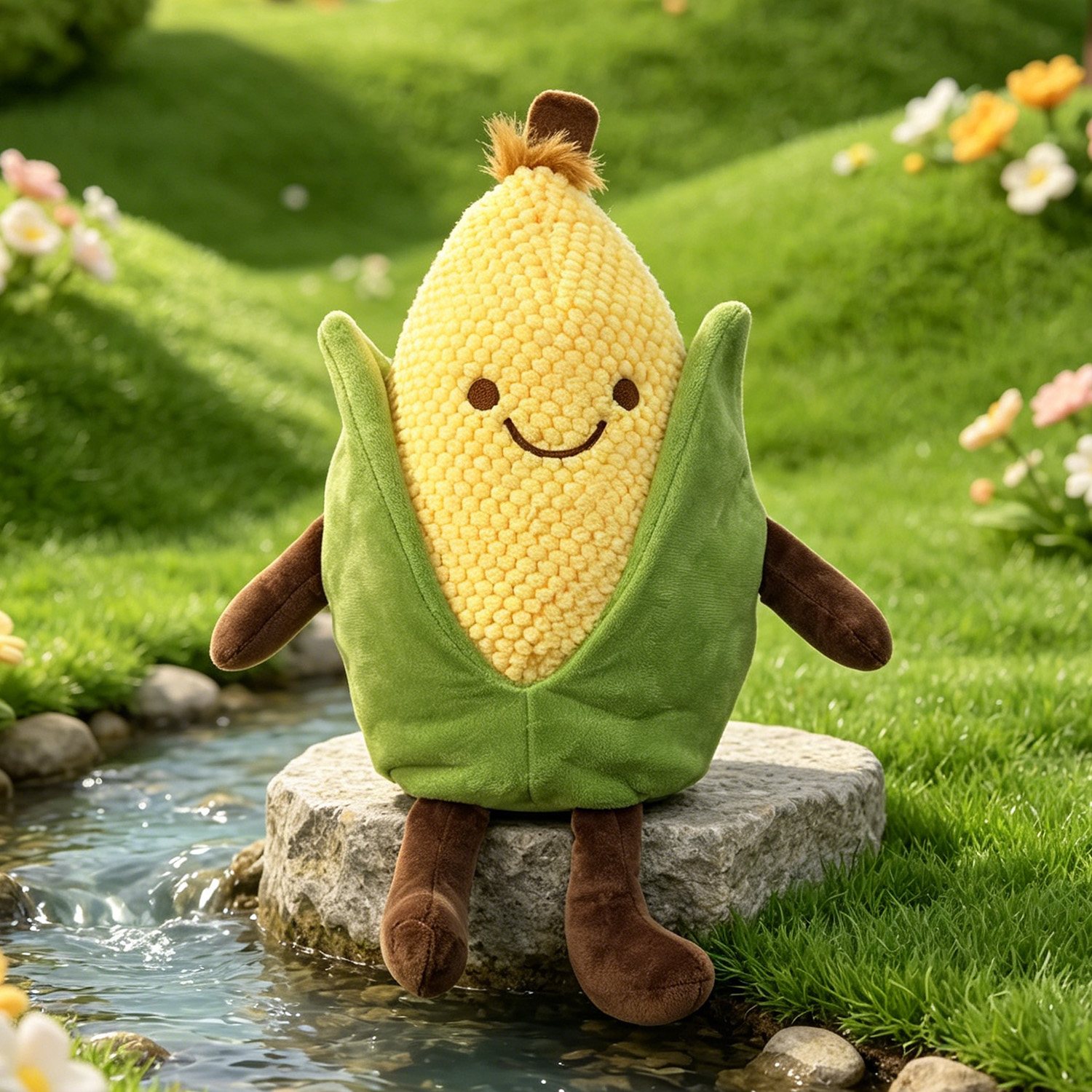
Themes help buyers understand the range and make line extensions easier. Evergreen directions can include bears, rabbits, dogs, cats, marine animals, plants, and food-inspired designs. Seasonal capsules might focus on Christmas or another market-relevant occasion. Gift sets, plush bags, pendants, and keychains can extend a visual language into adjacent formats.
Use a simple theme hierarchy:
- Core family: the designs intended to remain available across reorder cycles.
- Supporting family: adjacent characters, colors, or formats that create choice.
- Seasonal capsule: a time-bound story with a defined order and exit window.
- Test concepts: limited initial depth used to collect evidence before expansion.
For any character-led or IP program, use only original artwork or content for which the required rights and authorizations are documented. A supplier’s ability to manufacture a design does not establish the buyer’s right to use it.
Balance SKU Width and Order Depth
Width is the number of distinct SKUs. Depth is the quantity ordered per SKU. The correct balance depends on demand certainty, reorder speed, display requirements, and the cost of being wrong.
A new concept usually benefits from controlled width and differentiated depth. Put more depth behind designs supported by evidence—such as comparable sales, customer requests, or retailer commitments—and less behind unproven variations. Do not divide units equally merely for symmetry.
Use an assortment scorecard before allocating depth:
- Channel fit
- Price-role fit
- Theme coherence
- Visual distinction from other SKUs
- Shelf or machine fit
- Packaging and freight impact
- Forecast confidence
- Replenishment feasibility
- Seasonal deadline risk
- Documentation and testing status
Score each item using the same scale, but do not let a total score replace judgment. A large anchor item may deserve low depth even when it is important to the display.
Design Mixed Packs Around the Receiving Customer
Mixed packs can help a downstream account access variety without ordering a full case of every design. They can also create operational complexity. Before requesting them, define whether mixing occurs by character, color, size, or theme; how the outer carton is labeled; whether inner packs are used; and how shortages or substitutions are handled.
A mixed pack should be easy to receive and count. Ask for a carton packing map, SKU identifiers, quantities per design, barcode placement, and a clear rule that substitutions require approval. If individual designs sell at different rates, a fixed equal mix can create repeated imbalance. Consider a core-heavy ratio or separate replenishment cases for proven designs.
Set Replenishment Logic Before Launch
Replenishment should respond to evidence rather than intuition. Track weekly sales or shipments by SKU, on-hand units, open purchase orders, returns, and weeks of cover. Also separate temporary spikes from sustained demand.
A basic review can use:
- Reorder point: expected demand during supply lead time, plus an approved buffer.
- Weeks of cover: usable stock divided by recent average weekly demand.
- Sell-through: units sold divided by units available over a defined period.
- Exception flags: stockouts, unusual returns, delayed inbound orders, or campaign-driven spikes.
Lead time is not a universal constant. Confirm the current production and shipping timeline for the specific design, quantity, packaging, and destination before setting triggers. For seasonal items, work backward from the in-store date and include approval, testing, production, transport, customs, and distribution-center handling.
Prepare a Quote-Ready Supplier Brief
A vague request such as “quote 5,000 plush toys” produces assumptions rather than comparable offers. Use a structured brief.
Supplier RFQ Checklist
- Project name, destination market, and intended sales channel
- Original or properly authorized artwork and reference images
- Target product type, theme, and assortment architecture
- Dimensions and measurement method for each SKU
- Fabric direction, color references, pile length, and filling expectations
- Face details: embroidery, applique, print, or approved combination
- Accessories, trims, sound components, or functional features
- Label, barcode, hangtag, warning, and language requirements
- Individual and master-carton packaging requirements
- Desired mixed-pack ratio and substitution rules
- Target quality level and critical defect examples
- Applicable market, age grading, and required testing/documentation
- Sample stages and approval owners
- Requested quantity scenarios by SKU—not an assumed fixed MOQ
- Required delivery window and destination terms
- Quote validity, tooling or setup items, and change-control process
Ask suppliers to identify assumptions and quote options separately. This makes it easier to compare changes in fabric, size, embroidery, packaging, or order allocation.
Use Samples as Decision Gates
Record approval owners and versions for artwork, swatches, development and pre-production samples, packaging, and inspection criteria. Check silhouette, seams, face placement, embroidery, filling, labels, packed dimensions, and unpacking recovery. Review related designs together to confirm family consistency.
Apply This Framework When Evaluating Beibaotoys
Public company information describes Shandong Beibao Gifts Co., Ltd., operating as Beibaotoys, as a Shandong custom manufacturer established in 2020. Publicly listed directions include plush toys, claw machine plush toys, Christmas and customized series, handbags, IP series, keychains, plush toy sets, pendants, and plush bags. Public materials also describe minor, drawing-based, and sample-based customization, ODM support, raw-material identification and traceability, onsite material inspection, supplier assessment, factory inspection reports, verified production lines, and seven QA/QC inspectors.
Treat these points as supplier-profile inputs, not as guarantees for a specific order. Ask Beibaotoys to confirm the current capability, process, documentation, quantity feasibility, sample plan, and timing for your exact project. Requirements can vary by product, market, and production arrangement.
Recommended Internal Links
Confirm these relative URLs against the live site structure before publishing:
- Custom Plush Toy Manufacturing
- Wholesale Plush Toys
- Claw Machine Plush Toys
- Plush Toy Quality Control
- Request a Quote
Build a Range That Can Be Explained and Reordered
The most useful assortment is not necessarily the largest. It is the one in which channel, price role, size, theme, width, depth, and reorder logic work together. Start with a written architecture, test assumptions through samples and controlled allocations, and collect SKU-level evidence after launch.
CTA: Planning a retail, distribution, ecommerce, or claw machine plush program? Send Beibaotoys your channel, market, design references, size plan, quantity scenarios, packaging needs, and target window to request a project-specific feasibility review and quotation.
Frequently Asked Questions
How many SKUs should a wholesale plush toy assortment include?
There is no universal number. Base width on display capacity, channel needs, forecast confidence, and the ability to monitor and replenish each SKU. A controlled test range can be more informative than a broad launch with shallow evidence.
Should every design receive the same opening quantity?
Not necessarily. Allocate depth according to evidence, strategic role, and inventory risk. A proven core design may justify more units than a seasonal test or large display anchor.
Are mixed cartons always better for distributors?
No. They can improve access to variety, but fixed mixes may create imbalance when designs sell at different rates. Define ratios, labels, count methods, and separate reorder options before approval.
How should seasonal plush toys be planned?
Work backward from the required in-market date. Include development, sample approval, testing, production, transport, customs, and distribution handling, then set an exit plan for residual inventory.
What information is needed for a useful supplier quotation?
Provide design rights, dimensions, materials, decoration, packaging, market, compliance requirements, quantities by SKU, destination terms, sample stages, and delivery window. Ask the supplier to state every assumption.
Can a supplier guarantee sales or retail margin?
A manufacturer can quote and discuss production feasibility, but sales and margin depend on pricing, demand, channel costs, promotions, logistics, and execution. Buyers should use their own commercial model and testing.