
Plush Toy Materials and Filling: A Practical Buyer’s Guide
Material selection shapes how a plush toy looks, feels, holds its form, accepts decoration, travels in packaging, and recovers when unpacked. Yet a material name alone rarely tells a buyer enough. “Polyester,” “cotton,” or “long plush” can describe broad families with many constructions, weights, pile lengths, finishes, colors, and performance characteristics.
Separate Fiber Content from Fabric Construction
Two fabrics with the same fiber content can behave differently. Construction and finishing influence pile, density, stretch, drape, sheen, softness, embroidery support, and cleaning response. Record fiber content, supplier reference, construction, weight, pile length and direction, finish, color tolerance, backing, stretch, and intended placement. Link each physical swatch to a coded specification so the approved feel remains traceable.
Short Plush: Controlled Surface and Clear Details
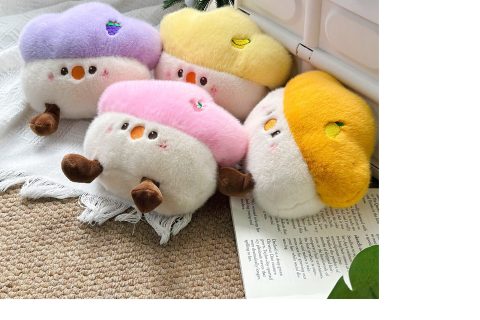
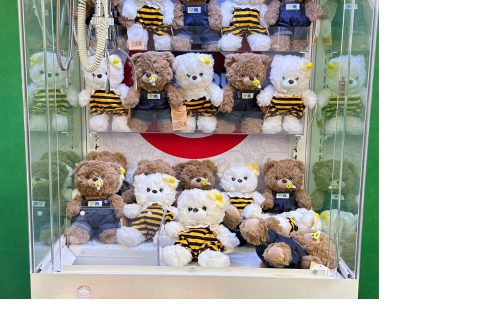
Short plush can support a tidy surface, compact silhouette, and readable embroidery. It may suit animals, food shapes, dolls, pendants, and claw machine designs. It is not one standardized grade: compare density, weight, stretch, sheen, pile direction, and backing. Review curves, narrow limbs, and embroidered faces on a sewn sample, not only a flat swatch.
Long Plush: Expressive Texture with Added Control Needs
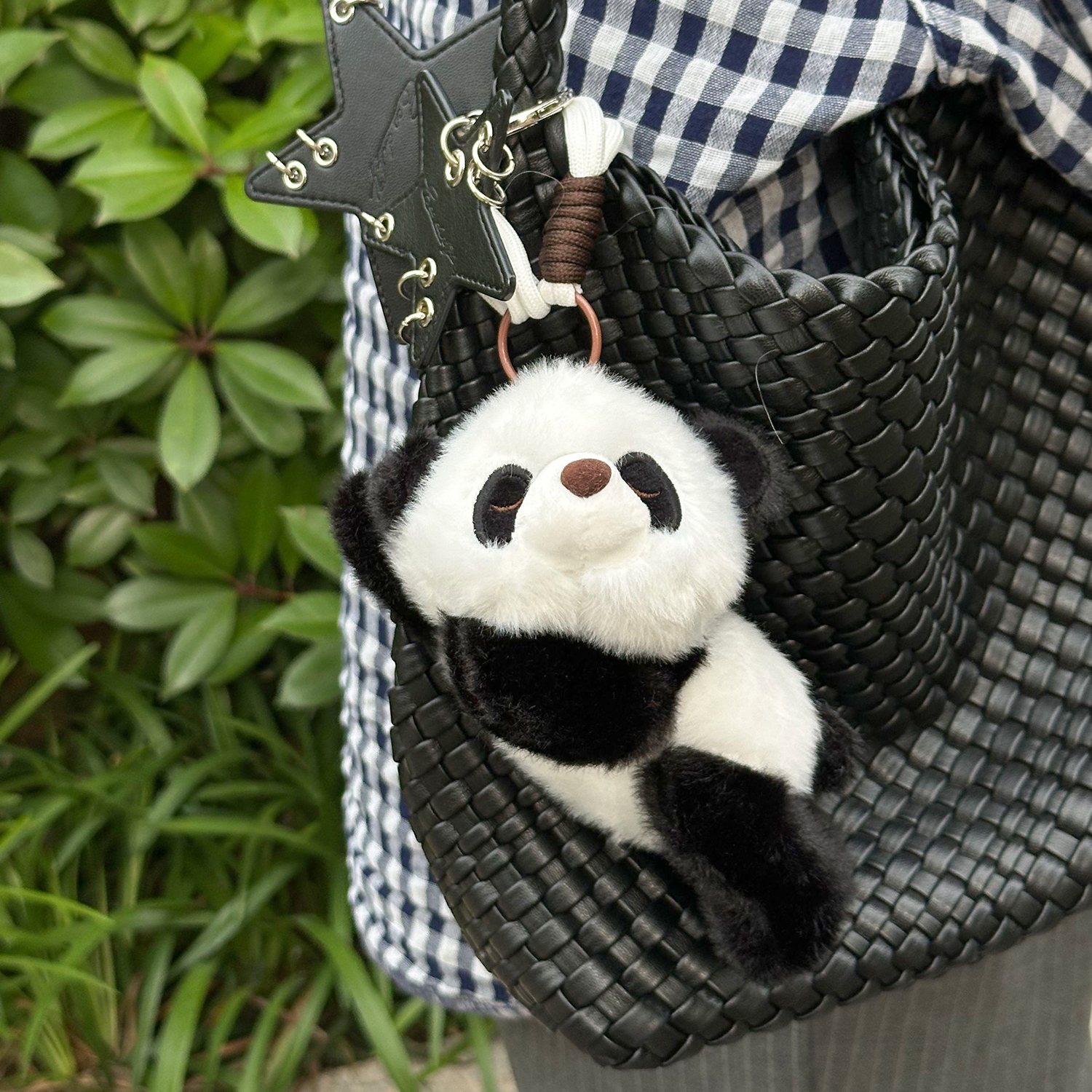
Long plush creates a shaggy or dimensional surface for animals, manes, tails, and accents, but may hide seams and embroidery. Check pile direction, face visibility, trimming, and whether fibers need clearing from seams or decoration zones. Because compression may flatten the pile, record the agreed recovery method and acceptance timing.
Cotton and Organic Cotton: Specify the Claim Precisely
Cotton may describe an outer fabric, blend, thread, or other component. Performance depends on construction, finish, color process, and product design. Do not assume cotton automatically provides specific softness, durability, care, safety, environmental performance, or user suitability.
“Organic cotton” requires defined scope and evidence. Clarify the claimed component and percentage, referenced standard, certificate holder, custody documents, and labeling controls. The claim alone does not establish finished-toy compliance.
Polyester: A Broad Material Family
Polyester covers many constructions and finishes. Specify shell weight, pile, stretch, color, finish, and approved hand feel; for filling, define type, reference, weight, distribution, firmness, and recovery. Establish evidence separately for recycled-content or other sourcing claims, and do not infer environmental performance from the polymer name.
Nylon: Use According to the Design Function
Nylon may suit selected shell, lining, webbing, bag, or reinforcement applications. Specify its exact placement and construction, then assess surface, stitching, print, seams, straps, zippers, adjacent fabrics, and care. Confirm composition and performance through project-appropriate documentation and testing.
PP Cotton Filling: Define More Than the Name
“PP cotton” is a trade term commonly used for fluffy polypropylene fiber filling; terminology can vary by supplier and market. The label alone does not define fiber form, cleanliness, resilience, firmness, distribution, or finished-product performance.
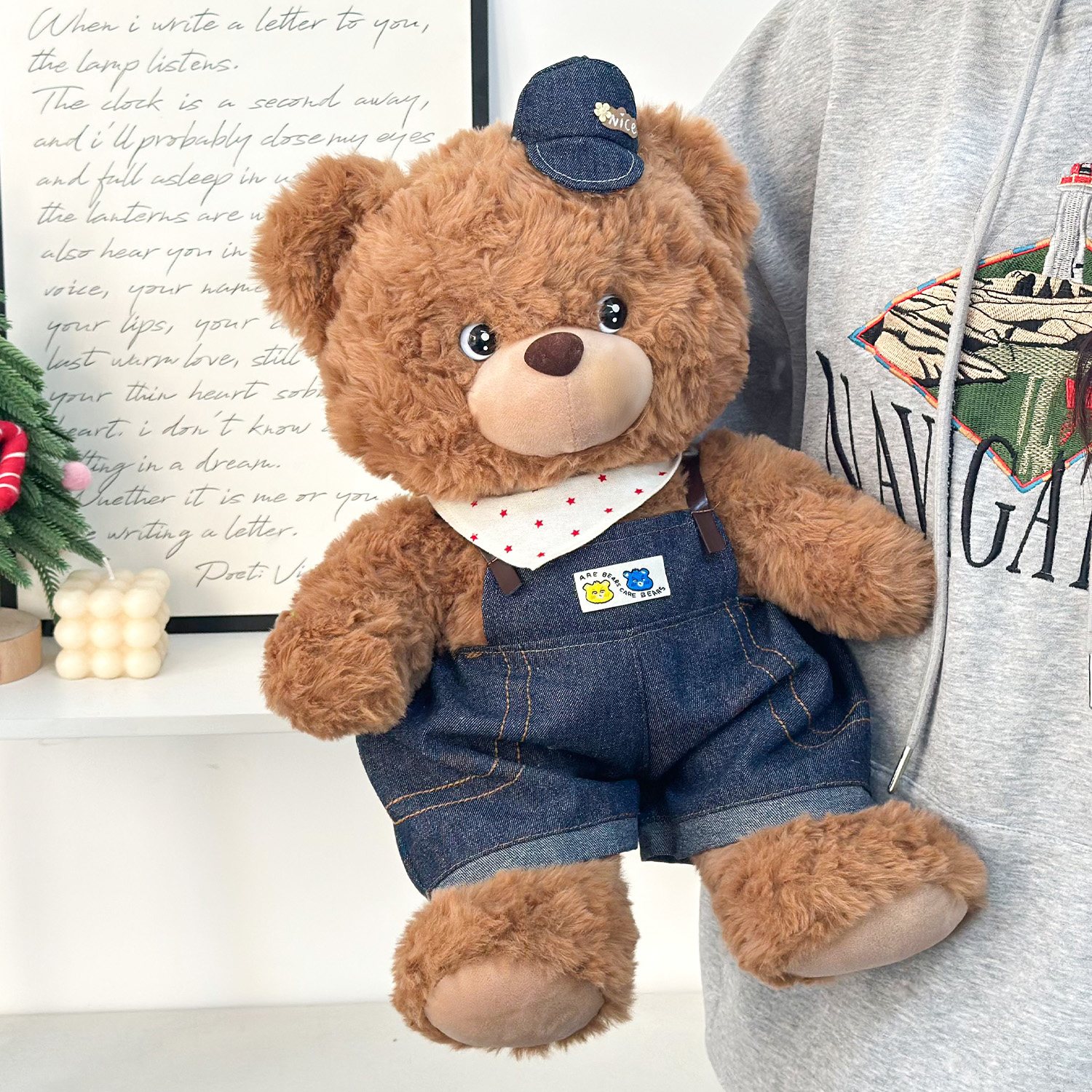
A practical filling specification can include:
- Supplier or material reference and declared composition
- Fiber form and any agreed physical characteristics
- Target fill weight for the whole product or individual zones
- Acceptable weight tolerance
- Firmness or hand-feel reference sample
- Distribution requirements in body, head, and limbs
- Lump, void, and migration acceptance criteria
- Compression and recovery evaluation method
- Storage and contamination-control expectations
- Documentation and test requirements for the destination market
Compare Materials by Product Outcome
Use this table as a discussion guide, not as a universal ranking:
| Direction | Appearance and hand feel | Structure and detail | Cleaning and packing questions | What to confirm |
|---|---|---|---|---|
| Short plush | Neat, relatively even surface; feel varies by density and finish | Often supports clear silhouettes and readable embroidery | Does pile change after cleaning or compression? | Weight, pile length, density, stretch, backing, color |
| Long plush | Fluffy, shaggy, or dimensional | Can obscure seams and small face details | How is pile released, groomed, and assessed after unpacking? | Pile direction, trimming zones, shedding criteria, recovery method |
| Cotton fabric | Natural-fiber visual direction varies by construction | May suit flatter or textile-led forms | What care method and dimensional tolerance apply? | Composition, weave/knit, finish, shrinkage/color criteria |
| Organic cotton claim | Similar performance questions to the specified cotton construction | Claim does not determine construction quality | How will claims and care information be supported? | Component scope, standard, certificates, custody documents |
| Polyester fabric | Very broad range of surfaces and finishes | Depends on construction, backing, and stretch | How does the exact fabric respond to cleaning and packing? | Full construction, finish, supplier code, approved swatch |
| Nylon component | Can be smooth, technical, or structured depending on construction | Often assessed for a defined functional area | How does it interact with stitching, print, straps, or zippers? | Exact placement, construction, composition, performance criteria |
| PP cotton filling | Internal; contributes to loft, firmness, and recovery | Distribution affects silhouette and balance | Does it regain the approved shape after packing? | Composition, fill weight, tolerance, hand standard, distribution |
Protect Embroidery Readability
Pile can cover stitches, stretch can distort shapes, and dense stitching can pucker a panel. Define thread colors, minimum readable detail, stabilizer needs, and placement tolerance. Approve a strike-off on the intended fabric and then a sewn sample at normal viewing distance. For long plush, specify pile clearing or trimming around features.
Evaluate Cleaning Without Making Assumptions
A fiber described as “washable” does not validate the complete toy. Define the proposed care method and evaluate fabric, filling, trims, decoration, seams, dimensions, color, and hand feel afterward. Communicate only supported care directions and review destination-market labeling and retailer requirements separately.
Test Packaging Compression and Recovery
Compression may alter pile, filling, seams, accessories, or facial presentation. Trial the intended bag, carton, quantity, compression, storage duration, and unpacking process. Check dimensions, symmetry, pile, firmness, facial alignment, lumps, and creases immediately and after an agreed recovery period. Validate any proposed recovery instruction before use.
Use Swatches, Samples, and Specifications Together
Each approval tool answers a different question:
- Swatch: Is the color, texture, pile, weight, and backing direction acceptable?
- Embroidery or print strike-off: Are decoration method, color, scale, and readability acceptable on the intended fabric?
- Development sample: Do pattern, structure, materials, filling, and appearance work together?
- Pre-production sample: Does the finalized specification represent the intended production standard?
- Written specification: Can approved requirements and tolerances be communicated, inspected, and controlled?
Material Approval Checklist
- Assign a unique code and version to every swatch and sample.
- Photograph the approved reference under controlled lighting.
- Record composition, construction, weight, pile, finish, and supplier reference.
- State measurement and test methods rather than using adjectives alone.
- Mark material placement on the pattern or bill of materials.
- Define color references and tolerance or approval process.
- Set fill weight, distribution, firmness reference, and recovery criteria.
- Approve embroidery or print on the actual intended fabric.
- Review seams, labels, trims, and accessories as part of the complete product.
- Run the intended packaging and unpacking trial.
- Document care and labeling decisions based on validated evidence.
- Lock the approved version and require authorization for substitutions.
Traceability Supports Control, Not Automatic Compliance
Raw-material identification and traceability can help connect incoming material to purchase records, inspections, batches, and production. It is valuable for investigation and change control. It does not automatically prove that a material or finished product meets every legal, chemical, physical, labeling, age-grade, environmental, or retailer requirement.
Compliance must be assessed for the finished product, intended market, intended user, claims, and applicable standards. Testing and documentation plans should be established with qualified specialists. No material should be described as inherently safe, eco-friendly, hypoallergenic, or suitable for infants without appropriate, product-specific substantiation and review.
Discussing Material Development with Beibaotoys
Public information describes Shandong Beibao Gifts Co., Ltd., operating as Beibaotoys, as a Shandong custom manufacturer established in 2020. Its public categories include plush toys, claw machine plush toys, Christmas and customized series, handbags, IP series, keychains, plush toy sets, plush pendants, and plush bags. Representative directions include animals, plants and food, marine designs, bears, rabbits, dogs, cats, claw machine products, and gifts.
Public materials also describe minor, drawing-based, and sample-based customization, ODM, raw-material identification and traceability, onsite material inspection, supplier assessment, factory inspection reports, verified production lines, and seven QA/QC inspectors. These statements should be treated as profile information and reconfirmed for the specific material, production arrangement, and current order. They do not establish automatic compliance, certification, capacity, lead time, or finished-product performance.
Recommended Internal Links
Confirm these relative URLs against the live site structure before publishing:
- Custom Plush Toy Manufacturing
- Plush Toy Quality Control
- Plush Toy Sampling Process
- Customized Plush Series
- Contact Beibaotoys
Turn Material Language into Verifiable Requirements
Good material decisions are specific and observable. Replace “very soft,” “premium filling,” or “easy to clean” with an approved swatch, coded material, measurable construction, representative sample, test method, and acceptance criteria. Then connect those approvals to the bill of materials, production controls, packaging trial, and inspection plan.
CTA: Developing a custom plush toy or plush bag? Send Beibaotoys your original or authorized design, destination market, intended user and age grade, material references, decoration files, filling preference, packaging concept, quantity scenarios, and required documentation for a project-specific material and sample review.
Frequently Asked Questions
Is short plush always better for embroidery than long plush?
No. Shorter pile can make details easier to see, but readability also depends on fabric density and stretch, artwork scale, stitch settings, stabilizer, and placement. Approve a strike-off on the intended fabric.
Is polyester one specific plush fabric?
No. Polyester identifies a fiber family, not one construction. Pile length, density, weight, backing, finish, stretch, and surface treatment must still be specified.
What does PP cotton filling mean?
It commonly refers to fluffy polypropylene fiber filling, but trade terminology and grades vary. Confirm declared composition, supplier reference, fill weight, distribution, firmness, recovery, and relevant documentation.
Does organic cotton make a finished plush toy automatically compliant?
No. The claim requires defined scope and evidence, while finished-product compliance depends on the complete design, market, age grade, labeling, and applicable requirements.
How can buyers approve hand feel consistently?
Use a coded physical swatch and a sealed or controlled reference sample, supported by measurable details such as construction, weight, pile length, and filling weight. Define how production comparisons will be made.
Should vacuum or compression packing be approved from a photograph?
No. Conduct a representative packing trial and assess the physical sample immediately after unpacking and after an agreed recovery period. Review shape, pile, filling, dimensions, and facial alignment.
Does material traceability prove that a toy is safe?
No. Traceability supports batch control and investigation, but it does not replace finished-product risk assessment, testing, labeling review, or market-specific compliance work.